Teaching in Ho Chi Minh City: What Private Schools Really Expect from Educators?
24th March 2026
Dreaming of teaching in Vietnam’s most exciting city? The opportunities are exciting but so are the prospects. Private schools in Ho Chi Minh City are raising the bar for global educators. ...
Written By : Joseph Jones Read More
How Online Nursery Teacher Courses Help Career Switchers Enter Vietnam's Education Sector
23rd February 2026
Changing one’s career may be a challenging task for certain individuals. Some individuals would like to have a fulfilling career, but they do not know how to start. Online Nursery Teacher Training in Vietnam is meant for individuals who are making a career change. ...
Written By : Elizabeth Garcia Read More
Why Communicative and Academic English Are Both in Demand in Vietnam
13th January 2026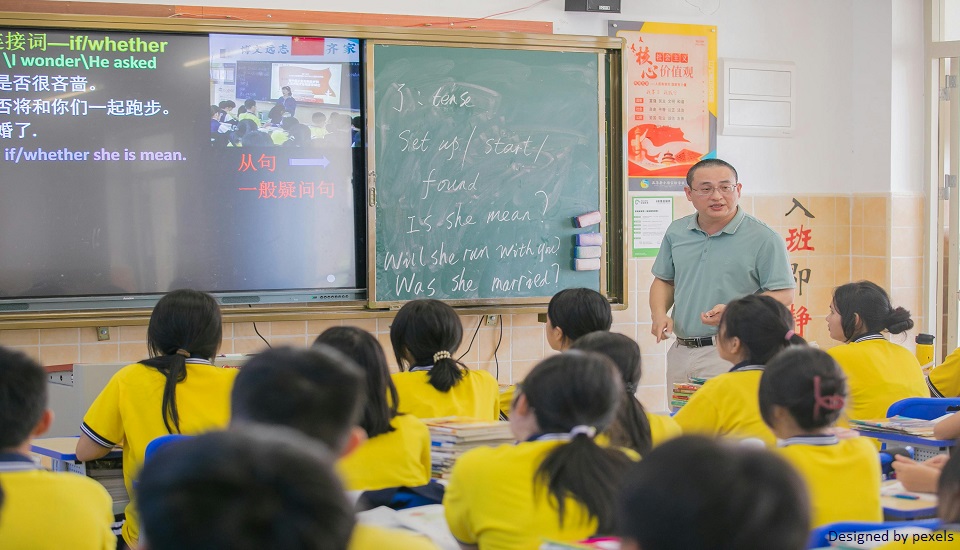
Vietnamese learners need English for many reasons today. They need it to speak, present, and work with global teams. They also need it to study, research, and write. These needs have opened wide Career opportunities for MA graduates in English Language Teaching in Vietnam, especially for teachers trained in both language forms. ...
Written By : Park Jin Ae Read More
Ways a Foreign Teacher Can Align Their Credentials to Vietnam's Work Permit Criteria
19th December 2025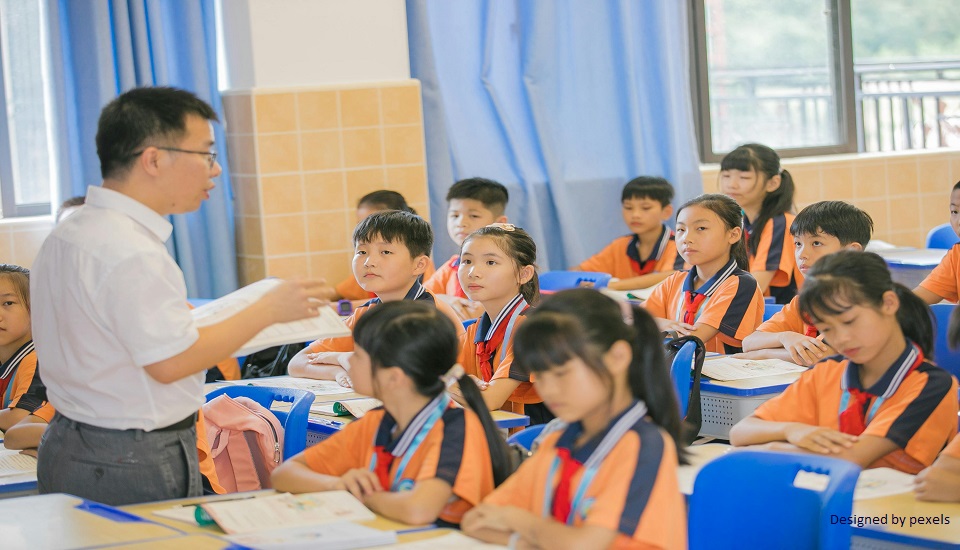
Teaching in another country always requires preparation. Vietnam’s work permit rules are clear, but they must be followed carefully. Training in Vietnamese and understanding what schools expect helps teachers qualify with confidence. ...
Written By : Sophia Roberts Read More
How Much Money Can I Make in Vietnam with a TEFL Certificate?
26th November 2025
Teaching English in Vietnam is a dream job for many professionals worldwide. Skilled educators are in high demand; hence, the country offers good salaries, low living costs, and excellent travel opportunities. The completion of an Advanced TEFL courses for experienced teachers in Vietnam is the best possible way of obtaining a strong teaching position and thus, earning a high salary. ...
Written By : Rebecca Wilson Read More
Top 5 Challenges Ethics and Equity in Metaverse Teacher Training
28th October 2025
The metaverse is radically changing the way teachers build relationships, work together, and involve students. Well-organized Professional development for teachers in Vietnam equips them with sufficient knowledge and skills to turn to virtual education as a means to foster the most moral practices of equal teaching in every real or virtual classroom setting. ...
Written By : Nicholas Harris Read More